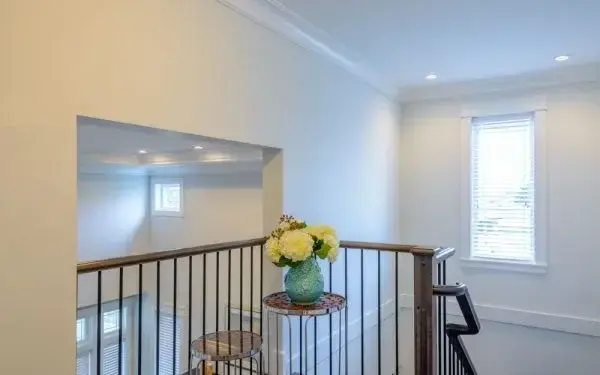
Learn how to plan, budget, and execute a successful home addition that adds comfort, space, and value to your home.
A home addition is one of the most effective ways to transform how you live. When your family grows or your lifestyle changes, adding more space becomes a practical alternative to moving. Yet, a poorly planned addition can cause financial stress, disrupt your daily life, and fail to add value. The solution lies in clear planning, expert design, and professional construction.
If you’re considering expanding your home, this guide will walk you through every stage—from early planning to the finishing touches—so your project runs smoothly, stays within budget, and delivers lasting comfort.
Home additions go beyond simply adding square footage. They improve functionality, comfort, and property value. For Massachusetts homeowners, a well-executed addition can adapt a classic New England home to modern needs without losing character.
Understanding why a home addition makes sense
Common motivations include:
- Growing families: More bedrooms or a larger living area to fit everyone comfortably.
- Lifestyle upgrades: Adding a home office, gym, or entertainment room for flexibility.
- Property value: A well-designed addition can significantly increase resale value.
- Aging in place: Creating accessible layouts and ground-floor suites to stay longer in your home.
Before moving forward, assess your home’s current layout, structure, and zoning compliance. Each decision made early on affects your budget and long-term satisfaction.
Planning your home addition the smart way
Every successful home addition begins with a clear plan. This includes defining goals, understanding constraints, and aligning your project with both your lifestyle and finances.
- Set clear objectives.
Decide why you’re expanding—more space, better functionality, or aesthetic improvement. Write down your must-haves versus nice-to-haves to guide design priorities. - Assess your property.
Evaluate your lot size, soil conditions, and local zoning codes. Massachusetts towns have strict building regulations, including setback limits and floor-area ratios. - Establish a realistic budget.
Costs vary depending on size, materials, and design complexity. Leave at least 10–15% of your budget for unexpected expenses such as utility relocations or structural adjustments. - Hire the right professionals.
Working with experienced contractors ensures your design vision meets local requirements. Look for companies with a reputation for transparency, communication, and craftsmanship—qualities that define our approach.
A detailed plan not only minimizes surprises but also builds trust between you and your contractor throughout the process.
Choosing the right type of home addition
Not all home additions are the same. The right option depends on your goals, property layout, and budget.
1. Room addition
A single-room addition—like an extra bedroom, bathroom, or sunroom—can be seamlessly integrated into your existing structure. It’s often the fastest and most cost-effective type of expansion.
2. Second-story addition
When lot space is limited, building upward adds significant square footage without altering your yard. However, it requires detailed structural assessment to ensure your foundation can support the extra load.
3. Bump-out or micro-addition
A smaller extension of a room, such as enlarging a kitchen or dining area. It’s ideal for homeowners seeking more breathing room without a full-scale remodel.
4. Garage conversion or accessory dwelling unit (ADU)
Turning your garage into living space or creating an independent ADU can provide rental income or multi-generational living options.
Each option carries unique costs, permitting requirements, and timelines. Discussing these with a trusted builder helps you select what best fits your long-term needs.
Navigating permits and zoning laws in Massachusetts
Permitting is often one of the most complex parts of a home addition. Every city and town across Massachusetts has specific zoning bylaws that regulate what, where, and how you can build.
Here’s what to expect:
- Building permits: Required for structural changes, electrical work, and plumbing.
- Zoning approval: Determines setbacks, height limits, and property coverage.
- Historical considerations: Many Massachusetts properties fall within historic districts, requiring special design review.
Working with a contractor familiar with local regulations simplifies the process. Our team handles these approvals efficiently, ensuring compliance before construction begins. This step prevents costly delays and protects your investment.
Designing your home addition for functionality and flow
A home addition should feel like a natural extension of your home, not an afterthought. A cohesive design enhances comfort and property value.
Key design principles:
- Match architectural style. Maintain harmony with your home’s exterior materials, rooflines, and proportions.
- Create seamless transitions. Ensure new rooms flow naturally from existing spaces—consistent flooring, trim, and ceiling height make a big difference.
- Maximize natural light. Large windows and skylights keep new spaces bright and energy-efficient.
- Plan for functionality. Think about daily use—traffic flow, furniture placement, and accessibility.
If your goal is to expand your kitchen or add a family room, open-concept layouts can make the home feel larger and more inviting. When designed thoughtfully, an addition doesn’t just add space—it enhances the way you live.
Managing your home addition budget
Budgeting accurately prevents unnecessary stress later. Home additions typically range from $200 to $400 per square foot, depending on design and finishes.
Tips for effective budgeting:
- Get detailed quotes. Compare estimates that break down materials, labor, and permits.
- Prioritize investments. Spend more on structural quality and energy efficiency, and consider saving on non-essentials that can be upgraded later.
- Avoid mid-project changes. Design revisions after construction begins often lead to costly delays.
- Include hidden costs. Factor in utility upgrades, landscaping restoration, and temporary accommodations if needed.
A transparent contractor will help you maintain financial control, offering guidance on where to save and where not to cut corners.
Working with the right construction team
Your choice of builder determines the outcome of your home addition. Reliable contractors manage timelines, coordinate trades, and maintain quality from start to finish.
Look for these qualities:
- Proven experience in additions and remodels.
- Clear communication and progress updates.
- Proper licensing and insurance.
- Positive local references and a documented portfolio.
Our company stands out for delivering top-quality remodeling and construction services across Massachusetts, focusing on craftsmanship and customer satisfaction. From kitchen expansions to custom decks, every project reflects precision and care.
Step-by-step construction process explained
Understanding the sequence helps homeowners feel more confident throughout construction.
- Site preparation – Clearing and grading the land, setting up temporary utilities, and ensuring site safety.
- Foundation work – Pouring concrete or building crawl spaces that match the existing structure.
- Framing – Constructing walls, roof structures, and openings for doors and windows.
- Electrical and plumbing installation – Routing systems before insulation and drywall.
- Insulation and drywall – Enhancing energy efficiency and preparing for finishing work.
- Finishing touches – Flooring, painting, cabinetry, lighting, and exterior details.
Each phase requires inspection to guarantee compliance with building codes. An experienced contractor manages scheduling efficiently so your home addition stays on track.
Common mistakes to avoid during a home addition
Even a small oversight can lead to major complications. Here are the most frequent errors homeowners make—and how to avoid them.
- Skipping the design phase: Poor planning can result in awkward layouts or mismatched styles. Always finalize designs before construction.
- Underestimating costs: Hidden issues like wiring, foundation damage, or water lines can increase spending.
- Choosing the lowest bid: Cheaper isn’t always better. Focus on reputation and reliability.
- Ignoring energy efficiency: Failing to insulate properly or use efficient windows increases long-term costs.
- Neglecting permits: Unauthorized work can lead to fines or difficulty reselling your home.
Avoiding these pitfalls saves time and money, ensuring your addition improves your home without future regrets.
Maximizing the value of your home addition
Beyond space, a thoughtful addition should enhance your property’s market appeal.
- Focus on function: Buyers prioritize practical spaces—extra bedrooms, bathrooms, and modern kitchens.
- Choose timeless finishes: Neutral palettes and classic materials stand the test of time.
- Improve energy efficiency: Solar panels, smart thermostats, and high-performance insulation boost resale value.
- Blend with your neighborhood: Additions that respect local aesthetics attract more buyer interest.
Well-designed projects typically yield a strong return on investment, particularly in competitive housing markets like Massachusetts.
How long does a home addition take?
Timelines vary, but most additions take three to six months, depending on size and complexity. Weather, permit approval, and material availability also affect duration.
A reliable contractor provides a realistic schedule from the start and updates you regularly on progress. Clear communication prevents frustration and keeps your project aligned with expectations.
Preparing your home for construction
Before work begins, preparation makes the process smoother for everyone.
- Clear the work area. Move furniture, valuables, and outdoor items from construction zones.
- Plan temporary living arrangements. Some areas may be off-limits for weeks.
- Protect your interiors. Use dust barriers and plastic sheeting to contain debris.
- Coordinate with your contractor. Discuss working hours, parking, and noise schedules to reduce disruption.
Being organized upfront creates a safer, more efficient work environment.
When a home addition is better than moving 
In many cases, staying put makes more sense than buying a new home. Massachusetts real estate prices and limited inventory make moving expensive and stressful.
Adding space allows you to customize your existing home exactly how you want—without losing your neighborhood, school district, or community ties.
With the right team, a home addition becomes not just an expansion of space, but an upgrade to your entire lifestyle.
Achieve your dream home with professional home addition services
A home addition is more than a construction project—it’s an investment in comfort, functionality, and long-term value. The key is expert planning and trusted professionals who prioritize your vision and satisfaction.
If you’re ready to expand your living space, our Massachusetts-based remodeling specialists are here to guide you through every stage—from initial design and permitting to final finishes. Contact us today to start building a home that truly grows with you.