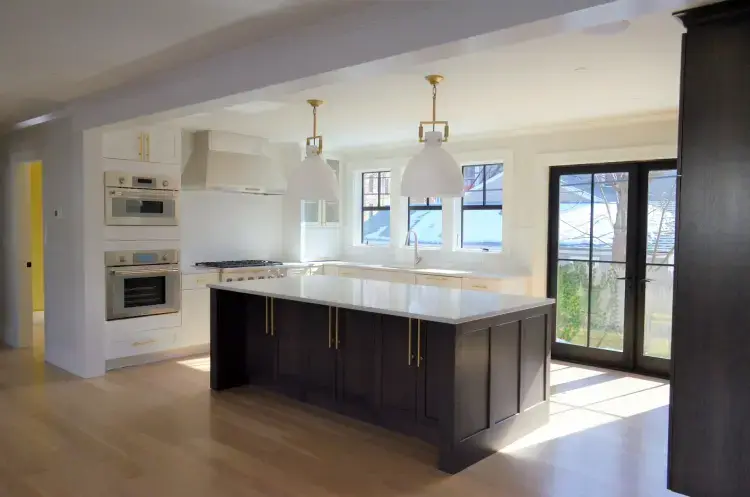
Discover the latest kitchen remodeling trends in Boston and expert tips to plan your dream kitchen renovation with confidence.
Kitchen remodeling in Boston has become one of the most sought-after home upgrades in Massachusetts.
For many homeowners, the challenge lies in turning a dated, cramped space into a modern, functional centerpiece for cooking, entertaining, and gathering. Yet, remodeling isn’t just about installing new cabinets or countertops — it’s about redefining how the space supports daily life.
The solution starts with understanding two key aspects: design trends shaping Boston homes today and smart planning that ensures your investment stands the test of time. Whether your goal is to add more storage, improve flow, or achieve a sleek new look, a thoughtful plan will keep your renovation on budget and aligned with your lifestyle.
Understanding kitchen remodeling in Boston 
Boston’s architectural mix — from colonial brownstones to contemporary condos — influences every renovation decision. Each home comes with its own layout constraints, city permit requirements, and design opportunities.
Local homeowners are increasingly seeking balance between classic New England charm and modern function. That means respecting the city’s historical roots while integrating the latest innovations in layout, lighting, and materials.
A professional remodeling team helps navigate building codes, neighborhood guidelines, and material sourcing — factors that directly affect costs and timelines. By aligning vision with Boston’s design identity, you can create a kitchen that feels fresh yet authentic.
Design trends transforming Boston kitchens
1. Transitional design: where classic meets modern
Boston homeowners are embracing transitional kitchens, which blend traditional craftsmanship with sleek modern elements. Think shaker-style kitchen remodeling cabinets paired with quartz countertops and matte black hardware.
This style allows flexibility — it’s timeless yet adaptable. Natural wood tones, neutral color palettes, and minimal ornamentation create a look that endures design shifts while complementing Boston’s historical architecture.
Why it works: Transitional design bridges old and new, perfect for homes that mix vintage features with modern upgrades.
2. Sustainable materials and eco-conscious upgrades
Sustainability is no longer a luxury — it’s an expectation. More residents now prioritize eco-friendly products that reduce waste and energy consumption.
Examples include:
- Cabinets made from recycled or reclaimed wood.
- LED lighting and motion sensors for energy savings.
- Water-efficient faucets and ENERGY STAR® appliances.
- Low-VOC paints and finishes that improve indoor air quality.
Why it matters: Using sustainable materials aligns with Boston’s growing environmental consciousness and often leads to long-term savings on utilities and maintenance.
3. Smart kitchens for connected living
Boston’s tech-savvy homeowners are introducing smart home technology into the heart of their houses. From touchless faucets to app-controlled ovens, convenience is now built into design.
Common upgrades include:
- Voice-activated lighting and temperature control.
- Wi-Fi-enabled refrigerators that track groceries.
- Integrated charging stations within drawers.
- Smart induction cooktops that optimize energy use.
These technologies make life easier while increasing property value — a strong advantage in Boston’s competitive real estate market.
4. Open layouts and multifunctional islands
The modern Boston kitchen is no longer isolated from the rest of the home. Walls are coming down to create open, social layouts. Kitchen islands, once purely functional, now serve as breakfast bars, workstations, and entertaining hubs.
Designers often extend countertops for extra seating, add built-in storage underneath, and install pendant lighting to define the space. The result: a kitchen that fosters conversation and connection.
Pro tip: Before committing to an open layout, assess structural walls and consult with a remodeling expert to maintain safety and balance.
Planning your kitchen remodel in Boston
Renovations in Boston require more than inspiration. Local building codes, property age, and space limitations can make the process complex. Careful planning helps prevent delays, overspending, and compliance issues.
Here’s how to plan your kitchen remodel effectively:
1. Define your needs and goals
Start by identifying how you use your kitchen daily. Do you cook often or mostly entertain? Are storage and counter space your main concerns?
Create a wish list that prioritizes functionality before aesthetics. That list will guide your designer in allocating space for appliances, cabinets, and lighting — ensuring every inch is purposeful.
Tip: Separate “must-haves” from “nice-to-haves” to control costs and decision fatigue later in the process.
2. Set a realistic budget
Boston remodeling costs can vary widely, depending on the home’s age and design complexity. On average, kitchen remodels in the city range from $35,000 to $100,000+, influenced by materials, labor, and permits.
When budgeting, allocate funds for:
- Cabinetry (often 30–40% of total cost)
- Countertops and backsplashes
- Appliances and plumbing fixtures
- Lighting and electrical upgrades
- Labor and permits
Plan for contingencies by setting aside at least 10% for unexpected structural or plumbing issues common in older Boston homes.
3. Choose the right kitchen remodeling cabinets
Cabinets define both the look and function of your kitchen. In Boston, homeowners favor high-quality, locally crafted cabinetry that reflects attention to detail.
Options to consider:
- Custom cabinets: Designed for unique layouts and premium materials.
- Semi-custom cabinets: Balance between flexibility and cost.
- Stock cabinets: Budget-friendly and available quickly, though limited in design.
Cabinet finishes — from white shaker to deep navy or natural oak — can dramatically shift the room’s mood. Hardware, too, makes a big difference: matte brass adds warmth, while brushed nickel feels contemporary.
4. Focus on layout and workflow
A well-planned kitchen follows the work triangle principle — a layout connecting the sink, stove, and refrigerator efficiently. This design ensures minimal movement and maximum convenience during meal prep.
Boston’s smaller homes often benefit from space-saving solutions like pull-out pantries, under-sink organizers, and vertical storage. For larger kitchens, consider adding zones for cooking, cleaning, and dining to maintain order.
5. Lighting: layering function and atmosphere
Good lighting enhances usability and ambiance. A successful Boston kitchen remodel includes three layers:
- Ambient lighting: Ceiling fixtures that illuminate the entire space.
- Task lighting: Under-cabinet or pendant lights for focused work.
- Accent lighting: Adds dimension to shelves or architectural features.
Combining warm and cool light sources creates balance, especially in homes with limited natural light.
6. Secure permits and work with local professionals
Boston has strict permit requirements for renovations involving plumbing, electrical, or structural changes. Ignoring these regulations can result in fines or project delays.
Working with a licensed Boston remodeling contractor ensures compliance and quality craftsmanship. They understand the nuances of local codes, neighborhood restrictions, and inspection processes — saving time and stress.
Mistakes to avoid in a Boston kitchen remodel
Even with a great plan, some common pitfalls can derail your project:
- Skipping professional design help. DIY planning often overlooks structural, ventilation, or space-efficiency factors.
- Underestimating timelines. Renovations may take longer due to permit processing or material delays.
- Choosing style over function. Beautiful finishes won’t matter if storage and workflow suffer.
- Neglecting ventilation. Proper airflow prevents moisture buildup, especially in historic homes.
- Forgetting resale value. Over-personalization may limit future buyer appeal.
By addressing these early, homeowners protect both their comfort and investment.
Why hire a Boston remodeling specialist
Local expertise makes a measurable difference. Contractors familiar with Boston’s housing stock — from Victorian townhouses to mid-century condos — can anticipate challenges hidden behind old walls.
They also bring access to trusted suppliers and artisans, ensuring materials meet both performance and aesthetic goals. Beyond construction, seasoned remodelers maintain transparent communication and project tracking, which helps keep homeowners informed at every stage.
In short: a reliable remodeling team ensures your new kitchen not only looks stunning but also functions flawlessly for years to come.
Bringing your vision to life
Kitchen remodeling in Boston is as much about craftsmanship as it is about planning. With the right approach — combining design insight, practical budgeting, and expert guidance — your kitchen can become the heart of your home, blending comfort, beauty, and efficiency.
Whether you’re upgrading cabinetry, opening up your layout, or integrating smart technology, each choice contributes to a kitchen that truly fits your lifestyle.
If you’re ready to start your project, our team is here to guide you through every step — from design consultation to final installation. We transform Boston homes with precision, quality, and care.
Ready to begin your kitchen remodeling in Boston? Contact our expert team today for a personalized consultation and discover how we can turn your dream kitchen into reality.