
Attic remodeling can turn unused square footage into a bedroom, office, guest suite, or retreat with better comfort, storage, and value.
Most homeowners look up one day and realize the attic is doing almost nothing. It stores boxes, collects dust, and wastes square footage that could solve a real need inside the home.
That is why attic remodeling has become such a practical upgrade. Instead of building outward, you can work with the space you already have and turn it into something useful.
A finished attic can become a bedroom, a quiet office, a playroom, or even a guest suite. The right plan makes the space feel intentional, not improvised.
Why attic remodeling makes sense
Attic remodeling gives you a way to create more living space without changing the home’s footprint. For many families, that matters because moving walls outside the house is often more expensive and more disruptive.
There is also a lifestyle advantage here. When you remodel the attic, you can separate functions better inside the home and give everyone a little more breathing room. That extra room can completely change how a house feels day to day.
Another reason attic remodeling makes sense is flexibility. A finished attic can adapt over time, which is useful for growing families, remote work, overnight guests, or hobbies that need privacy.
From a resale perspective, buyers usually notice usable square footage. A well-executed attic remodeling project can make the home feel more complete, especially when the space looks bright, comfortable, and fully integrated with the rest of the house.
What homeowners usually want from the space
Some homeowners want a private primary suite tucked away from the busiest part of the house. Others need a home office that feels removed enough to support focus during the workday.
There is also strong demand for attic remodeling projects that create a guest room or bonus room. These options are practical because they add function without forcing major changes to the main floor.
In homes with children, the attic often works well as a study zone, teen lounge, or playroom. The biggest benefit is simple: it gives activity its own place instead of spilling into every shared area.
And sometimes the goal is not dramatic at all. It might just be a calmer reading room, a fitness corner, or a clean storage-and-laundry hybrid. Useful space does not have to be flashy to be valuable.
What to check before starting attic remodeling
Before jumping into finishes and furniture, you need to know whether the attic can realistically support everyday living. Structure is the first checkpoint, because floor joists may need reinforcement to handle regular occupancy.
Ceiling height matters just as much. If the roofline is too low across most of the space, the room can feel cramped and may not qualify as habitable square footage under local codes.
Access is another big issue in attic remodeling. Pull-down ladders work for storage, not for daily use. A safe staircase with proper rise, run, and headroom is one of the most important parts of the project.
Then there is comfort. If the attic is too hot in summer or too cold in winter, the room will never feel finished no matter how good it looks. Insulation, ventilation, and HVAC planning are what turn an attic into a true living area.
Building code and safety details
Code requirements vary by location, but egress is often a major part of attic remodeling. If the space will be used as a bedroom, it usually needs a compliant emergency exit such as a properly sized window.
Electrical upgrades are common too. Finished attics need enough outlets, reliable lighting, and safe wiring that can support modern daily use without overload or patchwork fixes.
Fire safety should never be treated as a footnote. Smoke alarms, insulation choices, and proper separation from other building systems all play a role in making the new room safe.
A good contractor or architect helps translate these technical issues into a realistic plan. That matters because a beautiful attic that fails inspection is not a finished space.
How to design a comfortable attic layout
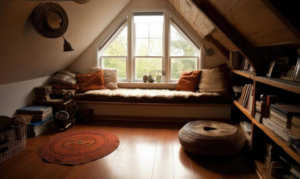
The best attic remodeling layouts work with the roof shape instead of fighting it. Low-slope areas are perfect for built-in storage, while the tallest point of the room should support movement and the main use of the space.
Natural light can completely transform an attic. Dormers, skylights, and well-placed windows make the area feel bigger, brighter, and more inviting. Without enough light, the room can feel enclosed even when the square footage is decent.
Storage deserves special attention here. Since attics often have awkward angles, custom cabinetry and under-eave drawers can recover space that would otherwise be wasted. Smart storage is often what makes attic remodeling feel polished.
Room zoning also helps. Even in a single open space, you can define sleeping, working, or lounging areas with rugs, lighting, furniture placement, and built-ins rather than heavy partitions.
Best uses for an attic remodel
A bedroom is one of the most common attic remodeling ideas because it adds real function and can increase the home’s appeal. It works especially well when privacy is part of the goal.
A home office is another strong option. The attic is naturally set apart from the flow of the house, which helps with focus during calls, meetings, and long stretches of deep work.
A guest suite can be a smart move when you host family or friends. Add a small bathroom if the layout and plumbing allow it, and the attic starts to feel like a self-contained retreat.
Entertainment rooms also work well in this space. A media room, hobby room, or reading loft can thrive upstairs because the slight separation makes the room feel like a destination.
Small attic design ideas that work
Use lighter paint colors to reflect natural light and reduce the closed-in feeling. This simple choice can make the room feel more open without changing the structure.
Choose furniture with a lower profile so the ceiling line feels less restrictive. Beds, desks, and lounge seating that sit lower visually fit the room better.
Add built-ins wherever the ceiling dips. These custom pieces often outperform standard furniture because they are shaped for the architecture rather than squeezed into it.
Keep the palette consistent. Too many visual breaks can make a small attic feel busy, while a cohesive look helps it feel calm and intentional.
The costs that shape attic remodeling
Attic remodeling costs vary a lot because every attic starts from a different place. An attic that already has solid structure, decent height, and nearby HVAC will be far less expensive than one that needs major framing and systems work.
The staircase often changes the budget quickly. It takes space, structural planning, and finish work, but it is also one of the upgrades that makes the room truly livable.
Insulation, drywall, electrical, flooring, and windows are standard costs, yet custom solutions can add up fast. That is especially true when homeowners want built-ins, a bathroom, or premium finishes.
The smartest approach is to budget for both visible upgrades and hidden work. In attic remodeling, the unseen items often matter more than the paint color.
Where to spend and where to stay practical
Spend on insulation, air sealing, and ventilation first. These are the upgrades that shape comfort all year and protect the rest of the investment from temperature swings and moisture issues.
Spend on the staircase and layout next. A safe, well-placed entry changes how the attic connects to the home and affects whether the room feels natural or awkward.
Be practical with finishes if needed. Mid-range flooring, simple trim, and clean lighting can still look excellent when the layout and function are strong.
Custom elements should go where they solve real problems. Built-in drawers under eaves, for example, often deliver more daily value than decorative extras that do not improve how the room works.
How attic remodeling adds long-term value
A good attic remodeling project does more than create another room. It helps the house respond to real life, whether that means remote work, teenagers needing privacy, or guests staying longer than expected.
There is also emotional value in using the home more fully. Homeowners often talk about finished attics as spaces that finally made the house feel complete. That reaction is not small. It is often the real payoff.
The best projects balance beauty with practicality. Comfortable temperature control, smart storage, code compliance, and strong lighting make the room usable every day instead of only looking good in listing photos.
In the end, attic remodeling works best when it solves a specific problem inside the home. When the purpose is clear, every design choice gets easier and the final result feels right.
Thinking about attic remodeling for your home? Start with a professional evaluation of structure, ceiling height, insulation, and access so you can turn wasted space into a room you will actually use.